Sis Let's Talk NOW
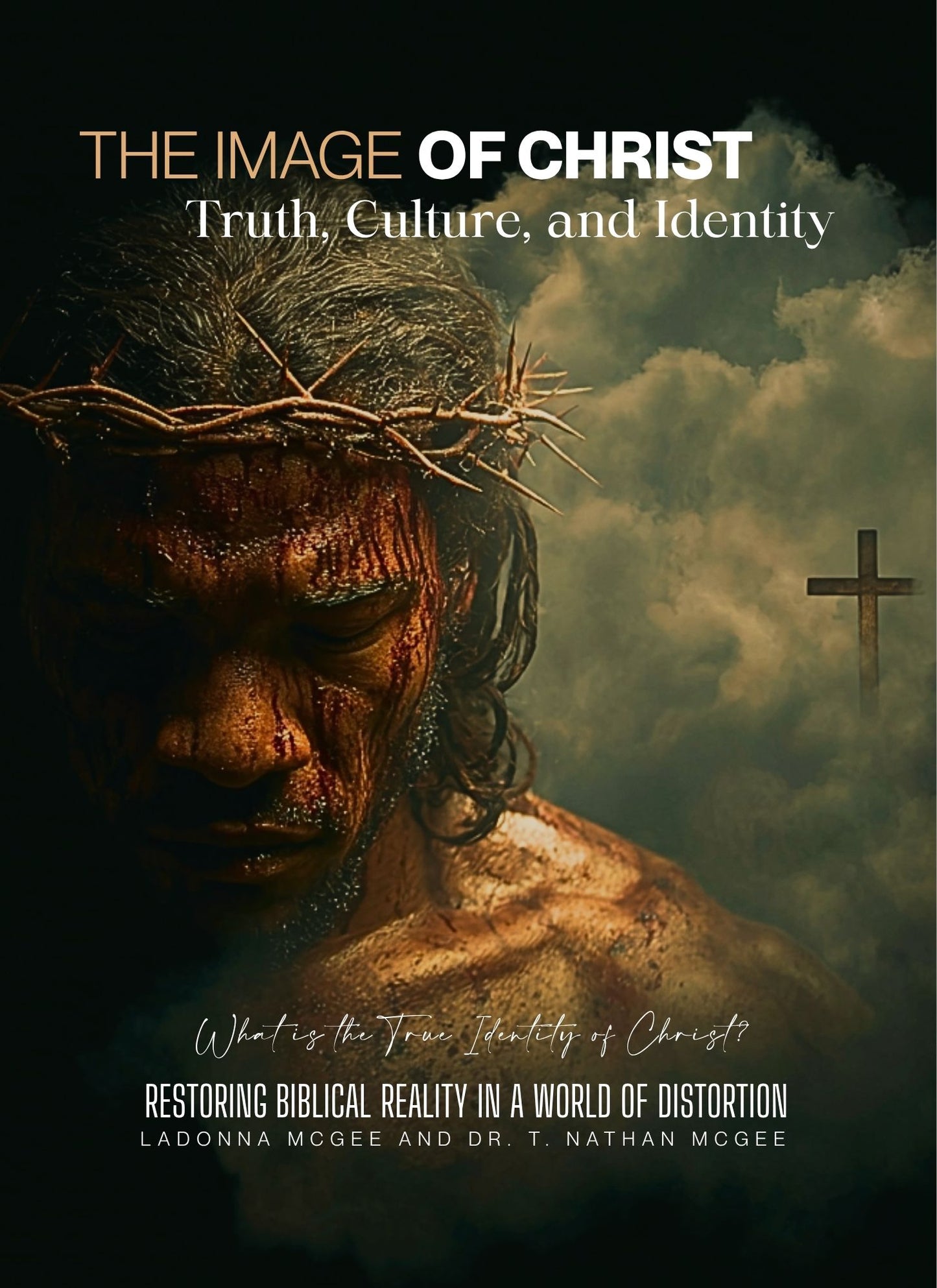
The Image of Christ - Truth, Culture and Identity Ebook
The Image of Christ - Truth, Culture and Identity Ebook
Couldn't load pickup availability
The Power of Image, Truth, and Identity
AVAILABLE SOON
Throughout history, images have influenced how people think, believe, and understand the world around them. Long before many people could read, visual representations communicated identity, authority, and religious belief. When it comes to Jesus Christ, countless individuals have encountered Him first through artwork rather than through Scripture itself.
For centuries, paintings, sculptures, stained glass windows, illustrated Bibles, and popular media have shaped the world's perception of Jesus. Many of these familiar images originated in particular historical and cultural settings and reflect the artistic traditions of their time. Over generations, they became widely recognized across much of the world, often becoming the default visual representation of Christ.
Yet the Bible places remarkably little emphasis on Jesus' physical appearance. Instead, Scripture consistently directs believers toward His character, His mission, His teachings, His death and resurrection, and His identity as the Son of God. Jesus Himself taught that true worship is rooted not in physical appearance, but in spiritual truth:
"God is a Spirit: and they that worship him must worship him in spirit and in truth." (John 4:24)
Likewise, the Apostle Paul reminds believers:
"Wherefore henceforth know we no man after the flesh... yea, though we have known Christ after the flesh, yet now henceforth know we him no more." (2 Corinthians 5:16)
These passages remind us that Christian faith is founded upon God's revealed truth rather than visual representation.
A Journey Through Scripture and History
This website examines the historical development of images of Jesus Christ by exploring:
- What the Bible says—and does not say—about Jesus' appearance.
- How the earliest Christians represented Christ through symbols rather than detailed portraits.
- The historical development of Christian artwork from the early church through the Renaissance.
- The influence of European artistic traditions on later depictions of Jesus.
- The role of religious art in teaching faith during periods of widespread illiteracy.
- How Christian imagery spread throughout the world alongside missionary expansion.
- Archaeological, historical, and cultural evidence concerning first-century Judea.
- Why biblical identity is rooted in Christ's person and work rather than His physical appearance.
This is not an attempt to replace one cultural image with another. Rather, it is an invitation to distinguish between artistic interpretation and biblical revelation.
Why This Matters
Images possess tremendous power. They influence identity, shape assumptions, and can become deeply embedded in religious understanding. Throughout history, different cultures have portrayed Jesus in ways that reflected their own people and traditions. These artistic expressions often served devotional or educational purposes, but they should not be confused with historical certainty or biblical description.
Acts 17:26 reminds us that God "hath made of one blood all nations of men." The Gospel belongs to every nation, every tribe, every language, and every people. Jesus Christ did not come to represent one ethnicity above another—He came as the Savior of the world.
Our goal is not to create controversy but to encourage thoughtful study, careful examination of Scripture, and a deeper appreciation for the historical context of the Bible. Faith is strengthened when it rests upon truth rather than assumption.
We invite you to explore the evidence, compare history with Scripture, and discover how understanding the biblical and historical context of Jesus Christ can deepen your appreciation of His life, ministry, and eternal message.
"Ye shall know the truth, and the truth shall make you free." — John 8:32 (KJV)
Share